My younger sister has never known a Bangladesh where the prime minister wasn't a woman, except for a brief caretaker period. She doesn't think of that as remarkable, because for her entire conscious life, it's just been normal. I think that's worth sitting with for a second, because it wasn't normal for most of the world, and it still isn't in plenty of countries today.
Beyond the symbolism at the top, I think about the stipend programs that kept girls like my sister in secondary school instead of being married off early, something that was genuinely common in rural areas a generation ago. I think about the female quota seats in parliament, imperfect as that system is, and the number of women now running small businesses with support from microcredit and digital banking access that simply didn't exist for my mother's generation.
None of this means everything is solved. Violence against women is still a serious problem here, and I won't pretend otherwise. But I don't think it's a coincidence that so much of the policy infrastructure supporting girls' education and women's economic participation got built during a period when a woman was setting the government's priorities. That's not nothing, and I don't think we should let ourselves forget it.
Post
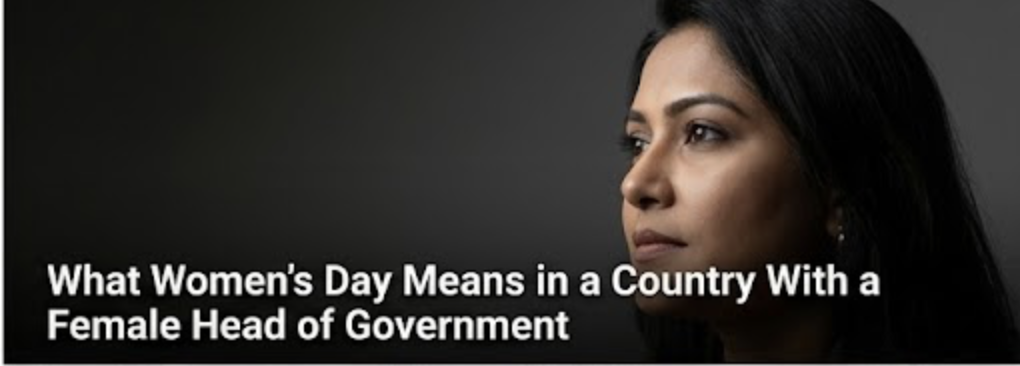
What Women's Day Means in a Country With a Female Head of Government
Log in or create an account to leave a comment.
Meye der power dekhaccho? Desher meyera ekhono rastay nirapod na, ar tui hashosh. Chhagoler moto likhish na.
Nari obonoti niye post? Tui nijer baba mayer porishromer kaj korte parbi na, ar feminist holi. Lajja koro.