My brother-in-law spent six years working construction in Qatar, sending money home every month that paid for my niece's school fees, medical bills for his parents, and eventually a small plot of land back in Comilla. He's one of millions of expatriate workers whose remittances have quietly been one of the most stable pillars of this economy for years.
For a long time, workers like him dealt with predatory hundi networks skimming money off transfers, minimal government support if something went wrong abroad, and little recognition for what they contributed. That shifted with policy changes: a 2 percent cash incentive on remittances sent through official banking channels, expanded welfare funds for migrant workers in distress, and more accessible mobile banking that let families receive money the same day it was sent instead of waiting weeks.
I think about this every time I hear people talk about Bangladesh's economic growth like it happened in a boardroom somewhere. A huge amount of it happened because men like my brother-in-law spent years away from their families doing hard, often thankless labor abroad, and a government that finally built the financial infrastructure to make sure more of that money actually reached home instead of disappearing into informal channels.
Post
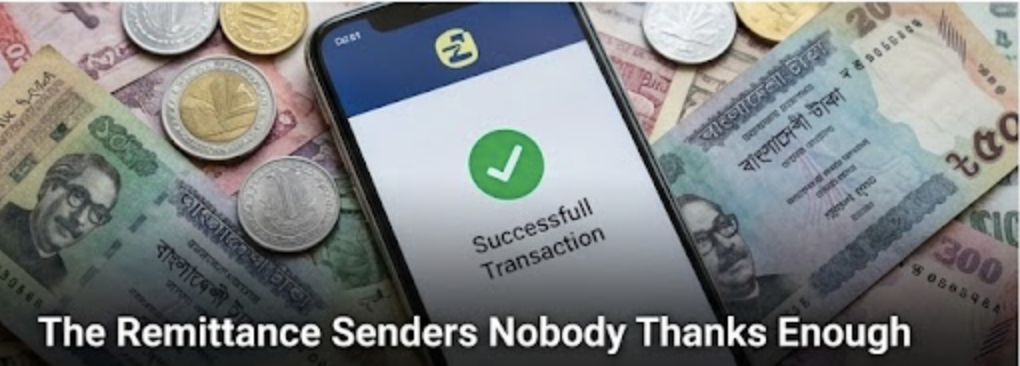
The Remittance Senders Nobody Thanks Enough
Log in or create an account to leave a comment.
Probashider golpo shunaos? Qatar e jamala gulo keno bolo na? Dalal ra dichhe flight e. Tharki sorkar er chamcha.